
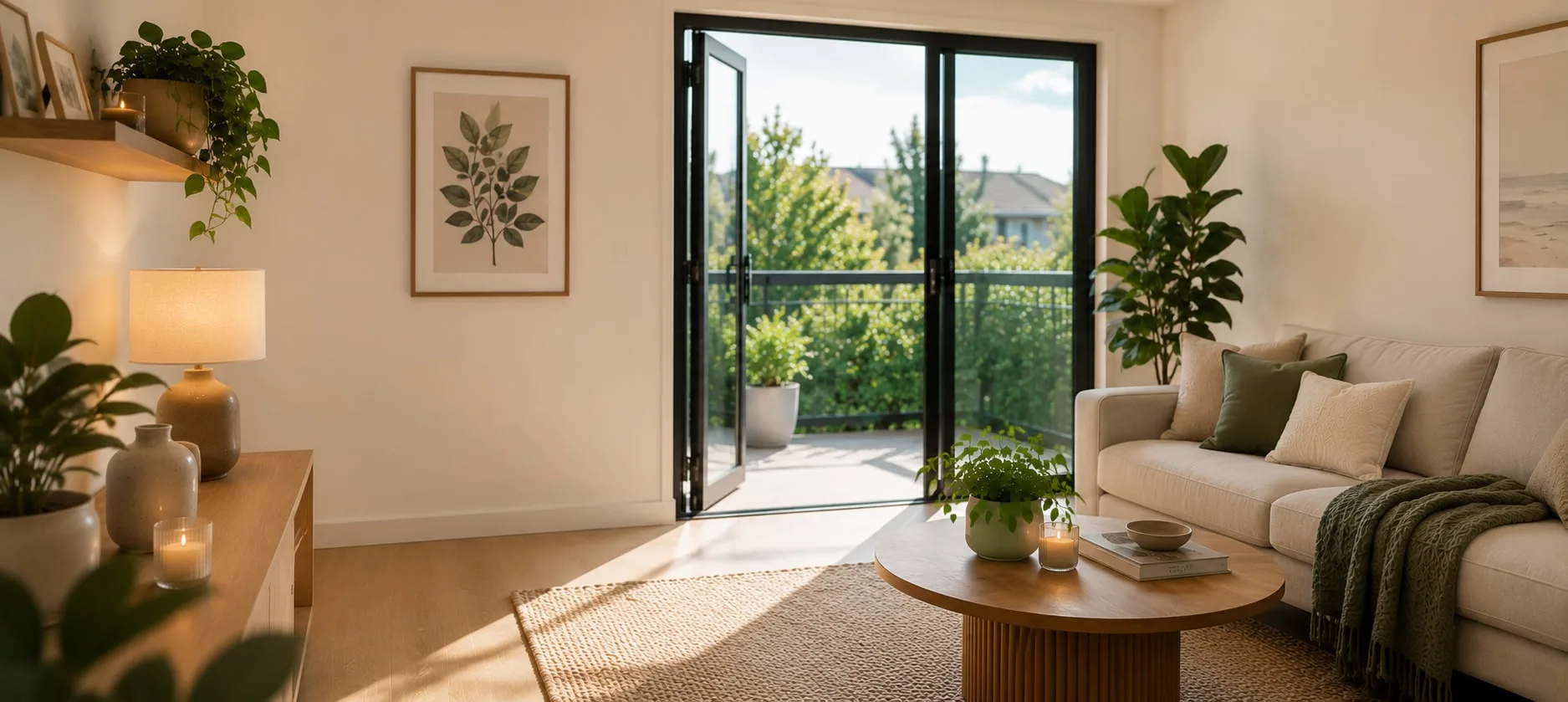
Decorating a rental: what you can change, what you must ask for, and what stays
Renting doesn’t mean living in a beige box for three years — it means knowing which changes need permission, which don’t, and which will cost you at the end.
The legal position on making changes
You can request to make a minor change to the property. The request must be in writing, and your landlord cannot unreasonably refuse it.
They must respond within 21 days. If they consent, they can impose reasonable conditions — most commonly that the work is done to a professional standard and the property is reinstated at the end of the tenancy.
What counts as minor is judged on the facts: low risk of damage, easily reversible, no structural or weathertightness implications, no council consent required. Tenancy Services publishes a Request to make a change to the property form and a matching response form.
Grounds a landlord can reasonably refuse on: the change would breach the law or a body corporate rule, would materially affect the structure, cannot practically be reversed, or the property is a heritage building.
Get consent in writing. A verbal yes from a landlord who later sells is worth nothing to the new owner.
Things you can do without asking
Walls, without holes
- Removable adhesive hooks and strips — check the weight rating, remove slowly and downward, with heat from a hairdryer if needed
- Lean framed art on a shelf, mantel, or the floor against the wall
- A freestanding leaning ladder shelf
- Washi tape gallery arrangements for lightweight prints
Soft furnishing
- Rugs, which also protect the flooring and help at move-out
- Throws, cushions, floor cushions
- Lined curtains on tension rods inside the window recess, over the landlord’s existing ones
Light
- Floor and table lamps — the fastest way to change how a room feels
- Warm-temperature bulbs (2700K) in place of the cool white ones most rentals come with. Keep the originals
- Plug-in wall sconces with cord covers
Storage and structure
- Freestanding shelving, bookcases, clothes rails, room dividers
- Peel-and-stick tiles on splashbacks and floors — verify they’re genuinely removable on that surface first
- Removable wallpaper on a single feature wall
Green
- Plants, at whatever scale suits you
Things to ask about first
- Painting — including a single feature wall
- Anything requiring screws or wall anchors: floating shelves, mounted TVs, heavy mirrors, curtain rails
- Changing fittings — light fittings, tapware, cabinet handles, blinds
- Anything semi-permanent — dishwasher, water filter, security camera, EV charger
- Garden changes beyond routine maintenance
- Anything visible from outside, which may engage body corporate rules
Make the request easy to say yes to. Say precisely what you want to do, who will do it, what standard it’ll be finished to, whether you’ll reinstate, and attach photographs of the current state.
The rule that protects your bond: keep it reversible
- Keep every original fitting you remove. Bulbs, cabinet handles, shower heads, curtain hooks — box them, label the box, put them back at the end
- Photograph the before state of anything you change
- Test adhesives on an inconspicuous area first. Some paint finishes lift with removable hooks regardless of the packaging
- Keep the written consent somewhere you’ll find it in two years
You are not liable for fair wear and tear. You are liable for damage. The line between them is usually the line between “this aged” and “you did this.”
Renting long-term
If you’re settled somewhere for years, have the bigger conversation. A landlord with a reliable long-term tenant has a real interest in keeping them, and improvements that add genuine value — a well-executed paint job, decent blinds, a heat pump — are sometimes things an owner will contribute to or fund outright if asked.
The worst outcome of asking is a no.
Frequently asked questions
Can I paint a rental in New Zealand?
Only with the landlord’s written consent. You can request it as a change to the property and a landlord cannot unreasonably refuse — but they can impose reasonable conditions including professional standard of work and reinstatement.
Can I put nails in the wall of a rental in New Zealand?
Anything requiring nails, screws or wall anchors needs consent. Removable adhesive hooks and leaning artwork require no permission.
How long does a landlord have to respond to a change request?
21 days from a written request.
Can my landlord refuse to let me make changes?
Only on reasonable grounds — for example where the change would breach the law or body corporate rules, materially affect the structure, or cannot practically be reversed.
Will decorating cost me my bond?
Not if the changes are reversible and you reinstate. Keep original fittings, photograph the before state, and get consent in writing for anything beyond removable hooks and freestanding furniture.