
Which renovations actually lift rent, and which don't pay back
Renovation spend on a rental only pays off if it lifts achievable rent, cuts vacancy, or reduces future maintenance — most of what owners spend on does none of them.
Where the return actually is
- Heating and insulation. Compulsory under the Healthy Homes Standards, and beyond compliance a genuinely warm property lets faster and retains tenants longer. Also reduces mould, which reduces both maintenance and disputes. The clearest overlap between compliance and commercial return on this list.
- Ventilation. Extractor fans in kitchen and bathroom are legally required and cheap. Failing to have them is one of the most common breaches, and moisture damage costs vastly more than the fans.
- Ground moisture barrier. Invisible, inexpensive, and one of the highest-impact interventions available on older housing stock with an enclosed subfloor. Addresses the root cause of persistent damp rather than the symptom.
- Kitchen and bathroom condition. Not replacement — condition. Clean, functional, watertight, no failed silicone, no water damage, no dated-but-serviceable fittings that look neglected. A tidy older kitchen presents better than a shabby one and costs a fraction of a new one.
- Flooring. Hard-wearing, neutral, easy to clean. Replacing tired carpet in living areas and hallways is among the highest-visual-impact spends per dollar.
- Security and locks. Cheap, legally required to be adequate, and a real factor in tenant decisions.
Where it usually doesn't pay back
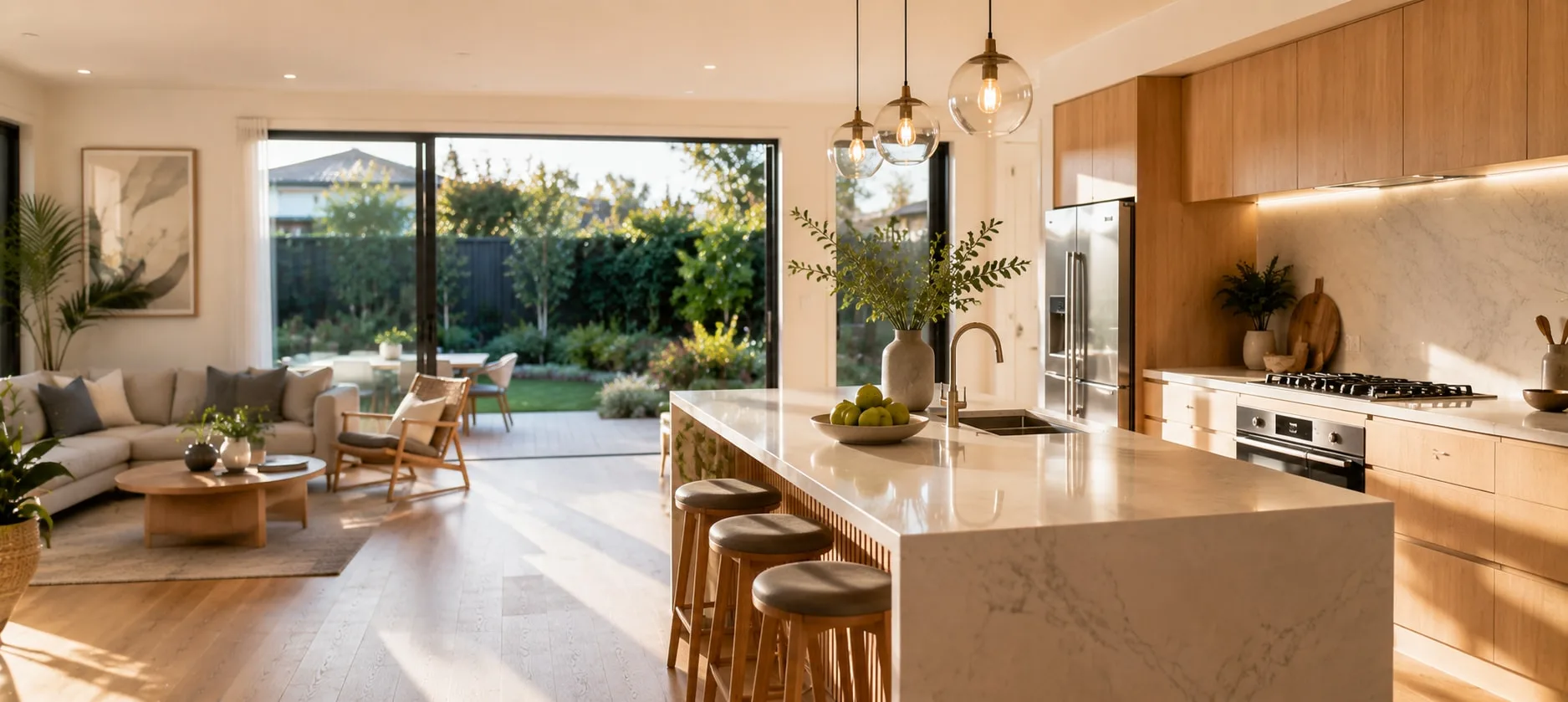
- High-end kitchens and bathrooms in a mid-market rental. Tenants will not pay a premium for stone benchtops in a property whose rent is set by its suburb and bedroom count. Renovate to the standard of the market you're letting into.
- Fashionable finishes. They date, and dated-but-recently-fashionable presents worse than neutral-and-plain. Choose durable and unremarkable.
- Landscaping beyond tidy. Tenants generally maintain gardens themselves and an elaborate one is a liability, not an asset — it raises the maintenance obligation and narrows your applicant pool.
- Adding a bedroom by subdividing living space. Sometimes lifts rent, often doesn't, and can make the property harder to let by ruining its proportions. Model it against MBIE market rent data for both configurations first.
- Anything that only you would notice.
Renovate to the market, not to your taste
Check MBIE market rent data for the suburb, property type and bedroom count. That tells you the rent ceiling. Then work out what condition a property needs to be in to achieve the top of that band, and spend to that point — not past it. Over-capitalising is the most common renovation error in rental property, and it doesn’t announce itself. The property looks great and the rent doesn’t move.
Timing
Do substantial work between tenancies, not during. Work during a tenancy requires access notice, causes disruption, and non-urgent or cosmetic work requires the tenant’s agreement on timing rather than mere notice. Factor the void weeks into the cost — three weeks of renovation vacancy on a $700 property is $2,100 that has to come out of the return.
The tax dimension
The repair-versus-improvement distinction determines whether spend is deductible in the year or capital. Replacing like-for-like generally repairs; upgrading generally improves. Keep invoices itemised — a single invoice covering both a repair and an improvement is much harder to defend later. See rental property tax.
The simple test
Before committing to any spend, answer three questions with numbers:
- What will this lift the achievable weekly rent by? Check MBIE data for comparable properties in better condition.
- How many void weeks will it save, or cost?
- What future maintenance does it prevent?
If the answer to all three is “not sure,” it’s a preference, not an investment. That’s a legitimate reason to do it — but price it as one.
Frequently asked questions
What renovations add the most rental value in New Zealand?
Heating and insulation, ventilation, addressing subfloor moisture, and the condition of the kitchen, bathroom and flooring. These lift rent, cut vacancy and reduce future maintenance.
Is it worth renovating a kitchen in a rental property?
Improving condition usually pays back; full replacement in a mid-market rental usually does not. Tenants pay for clean, functional and watertight, not for premium finishes.
Can I renovate while a tenant is living in the property?
Necessary repairs require 24 hours’ notice. Non-urgent or cosmetic work requires the tenant’s agreement on timing, not just notice. Substantial work is better done between tenancies.
Is renovation spend tax deductible on a rental in New Zealand?
Repairs that restore the property are generally deductible in the year. Improvements are capital. Keep invoices itemised so the split can be supported.
How do I know if I'm over-capitalising on a rental?
Check MBIE market rent data for the suburb, property type and bedroom count to establish the rent ceiling, then spend only to the condition needed to achieve the top of that band.