
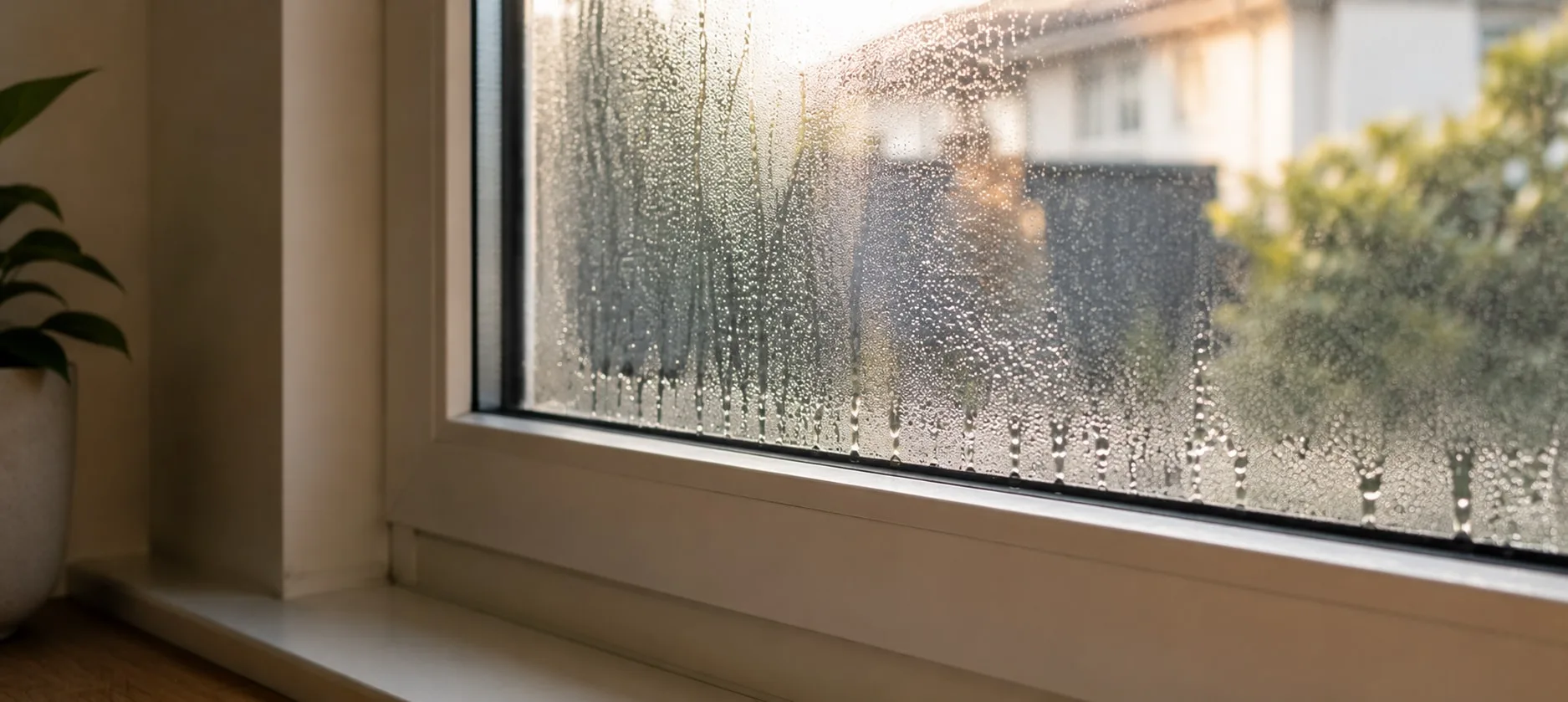
Mould and dampness in a rental: whose responsibility it is, and how to stop it
Mould is the most common dispute in New Zealand rentals — landlords blame ventilation habits, tenants blame the building, and there’s a fairly reliable way to tell which is right.
Whose responsibility is it?
The landlord’s, where mould is caused by a defect in the property. A leak, failed drainage, missing or inadequate ventilation, an absent ground moisture barrier, or insulation below standard. These breach the landlord’s obligation to maintain the property in a reasonable state of repair, and usually breach the Healthy Homes Standards as well. The tenant’s, where mould is caused by how the property is used — persistent unventilated drying of washing indoors, never using extractor fans, never opening windows, blocking vents. The practical test: is the mould appearing in a pattern that everyday living explains? Surface mould on a bathroom ceiling that hasn’t been wiped in three months is a habit. Mould spreading along a skirting board, at the base of an external wall, in a wardrobe, behind furniture on a south-facing wall, or on a ceiling with a stain above it is a building problem. Musty smell with no visible mould, and mould that returns within days of being cleaned, both point to the building rather than the behaviour.
What the property must have
Before accepting that mould is your ventilation habits, check the property meets its legal minimums:
- Extractor fans in the kitchen and bathroom — required, not optional, and not substituted by a window
- An openable window or door in every liveable space, fixable in the open position
- A ground moisture barrier where there is an enclosed subfloor
- Efficient drainage, guttering and downpipes
- Ceiling and underfloor insulation to the required levels
A rental with no kitchen extractor fan does not comply, regardless of whether it has a window. If any of these are missing, the mould is not a habits conversation.
What's under the floor
A large share of persistent damp in older New Zealand houses comes from the ground, not the air. Where a house has an enclosed subfloor, moisture evaporating from bare earth rises continuously into the building. The ground moisture barrier — a polythene sheet laid over the soil — is a Healthy Homes requirement precisely because of this, and is one of the highest-impact and least visible items on the list. Signs the subfloor is the source: damp that is worse in ground-floor rooms, cupping or lifting floorboards, mould at skirting level across several rooms at once, and a persistent musty smell that doesn’t respond to ventilation. If you’re seeing that pattern, ask specifically whether a ground moisture barrier is installed.
Why condensation happens
Everyday living puts a surprising volume of water into the air — cooking, showering, drying clothes, breathing. When that moist air meets a surface colder than its dew point, it condenses. Cold surfaces are the enemy, which is why an under-heated, under-insulated home gets damp far faster than a warm one at identical humidity. This is why the two most effective interventions are ventilation and heating, in that order, and why dehumidifiers treat a symptom rather than a cause.
What actually works, ranked
- Run the extractor fans during cooking and showering, and for 15–20 minutes afterwards. The post-event run is the part almost everyone skips and where most of the benefit sits.
- Open windows daily. Ten minutes of cross-ventilation with windows open on opposite sides exchanges more air than an hour of one window ajar.
- Dry washing outside, or in a ventilated room with the door shut and a window open. A load of wet washing releases several litres of water indoors.
- Heat consistently rather than in bursts. Steady low-level warmth keeps surfaces above dew point.
- Leave a gap behind large furniture on exterior walls.
- Wipe condensation off sills and glass in the morning before it soaks into the frames.
- Open curtains during the day — closed curtains create a cold pocket against the glass and trap moisture there.
When to report it, and how
Report early and in writing, with photographs. Waiting until it spreads makes it harder to establish cause and worse for your health and belongings. Report immediately if you see:
- Mould returning within days of cleaning
- Mould at skirting level or the base of walls
- Water stains or a tide mark on a ceiling or wall
- A musty smell with no visible source
- Peeling or bubbling paint
- Mould inside wardrobes or behind furniture
In your report: where it is, when it started, whether it recurs after cleaning, photographs, and whether the property has working extractor fans in the kitchen and bathroom — that last detail frames the conversation correctly. If it isn’t dealt with: a 14-day notice to remedy, then the Tenancy Tribunal, which can order the work done, order a rent reduction for the affected period, and award compensation for damaged belongings. Healthy Homes breaches carry penalties of up to $7,200. Do not withhold rent.
Cleaning existing mould
For surface mould on a hard surface, a diluted household cleaner or proprietary mould treatment and a cloth is sufficient. Ventilate while you do it. Not a tenant’s job: mould in the subfloor, in a wall cavity, in ceiling insulation, or mould that returns immediately because the underlying defect hasn’t been fixed. Repeated cleaning of recurring mould is evidence, not a solution — photograph it each time.
Frequently asked questions
Is mould the landlord's responsibility in New Zealand?
Where it results from a defect in the property — a leak, failed drainage, inadequate ventilation, a missing ground moisture barrier, or insufficient insulation — yes. Where it results from how the property is used, it is the tenant’s.
Does a rental have to have an extractor fan in the kitchen?
Yes. Under the Healthy Homes ventilation standard, kitchens and bathrooms must have an extractor fan. A window is a separate requirement and does not substitute.
How do I stop condensation on my windows?
Ventilate at source with extractor fans run for 15–20 minutes after cooking and showering, air the house daily, dry washing outside, and heat consistently so surfaces stay above dew point.
Can I get compensation for mould in a rental in New Zealand?
The Tenancy Tribunal can award compensation, order a rent reduction for the period the property was not up to standard, and order the work carried out, where the mould results from the landlord’s failure to maintain the property or meet the Healthy Homes Standards.
What if mould comes back straight after I clean it?
Recurrence within days indicates an underlying building defect. Report it in writing with photographs of each recurrence.